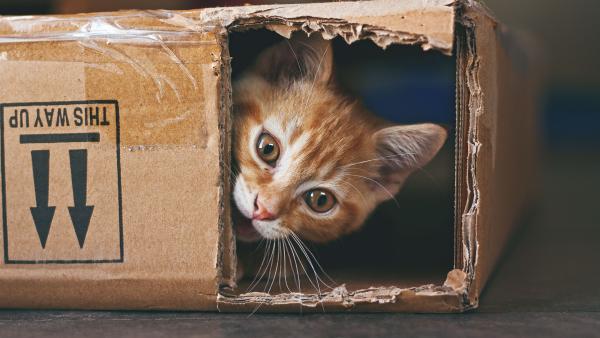
How to prepare for your kitten’s first vet visit
If you already have pets, preparing to go to the veterinarian may feel like routine by now. If you’re a first-time pet parent, it may feel like an overwhelming process. Either way, a little preparation can go a long way.
Here’s a simple checklist to help prepare for that first appointment:
Before the visit
- Book early. As soon as you know when your kitten is coming home, call to schedule the first visit. Many clinics fill up quickly. Some will also ask you to confirm your appointment closer to the date.
- Ask how to prepare for the visit. When you schedule, ask whether your kitten can eat normally that day and whether the practice wants a fresh stool sample.
- Ask who you may meet. Depending on the practice, you may check in with a client service representative, meet with a veterinary technician or assistant, and then see the veterinarian.
- Mention upcoming plans. If you expect boarding, travel, a move, or new household members, tell the team so they can help you plan timing and any needed documentation.
What to bring
- Your kitten, of course! Safely secured in a carrier.
- Any adoption paperwork or medical records you received
- Vaccine records, if available
- A fresh stool (poop) sample, if your clinic requests one
- Notes about what food your kitten eats; their appetite, water intake, energy, and litter box habits
- A written list of questions
Helpful questions to ask your vet
- What parasite screening and prevention do you recommend, and why?
- What food, feeding amount, and feeding schedule do you recommend right now?
- What changes are normal as kittens grow, and what would be a reason to call?
- When should we schedule the next visit, and what will be done at that visit?
- What vaccine schedule do you recommend for my kitten, and what boosters will they need?
- Which vaccines are recommended for my kitten’s lifestyle and location?
What happens during your kitten’s first vet visit?
At this first wellness exam, your veterinarian evaluates how your kitten is growing and uses what they find to set a baseline for your kitten, which is a record of what is normal for them. That baseline helps your veterinary team track changes over time and spot concerns earlier.
Here's what to expect during that first appointment:
History intake
Your veterinary staff may ask questions about your kitten’s history. Be ready to answer queries about:
- Prior vaccination and deworming history, if known
- Their health at time of adoption
- Any known ailments, illnesses, or pre-existing conditions
- Whether they are spayed or neutered
Having detailed responses to your vet’s questions can help them best personalize your kitten's care.
Physical exam
Your veterinarian will check your kitten from nose to tail and capture basic health measurements. This may include:
- Looking at the eyes, ears, mouth, skin, coat, heart, lungs, belly, and joints
- Checking weight and body condition
- Checking temperature and hydration, based on your kitten and the practice’s routine
The notes from this visit become your kitten’s starting point. At future visits, your veterinarian can compare new findings to this baseline and follow up early if something seems different.
Vaccines & preventive planning
How to protect your kitten’s health will be a big theme of that first visit. Here are some things your veterinarian may cover:
- Vaccines, a common part of early kitten care. What happens at the first visit depends on your kitten’s age, health, lifestyle, and any vaccines already given by a shelter, rescue, or breeder.
- At this visit, your veterinarian will:
- Review any vaccination records you have
- Confirm what your kitten has already received
- Recommend what is due next
- Many kittens follow a schedule that includes a series of boosters every few weeks while the immune system matures. Your vet will explain timing and how many visits are typically needed. Indoor and outdoor kittens have different risk profiles, so your vet will help you choose a plan that fits your kitten’s environment and exposure risk. Vaccine timing may also vary by location and local requirements.
- Spay/neuter timing. These surgeries are routine preventive care that help protect your kitten’s lifelong health. During this first visit, you veterinarian can talk you through the surgery and discuss timing.
- Parasite protection plans. Your veterinarian may discuss protection from parasites, like fleas, ticks, and internal parasites (worms!). Your vet can help you choose prevention that matches where you live and your kitten’s lifestyle.
Diagnostic screening & testing
Not all health changes can be seen or felt. That’s why veterinarians also use diagnostic tests to help uncover what is happening internally, sometimes before signs develop.
Two tests commonly recommended by veterinarians for kittens are:
- A stool test to check their poop for worms. Kittens can pick up worms from their mother, other animals, or the environment, and they may not look sick even if they have them.
- Routine blood tests to get a clearer picture of their health. This may be recommended based on your kitten’s history and risk. In many practices, this can include blood tests that screen for common viruses, including feline leukemia virus (FeLV) and feline immunodeficiency virus (FIV). These tests can help guide long-term care.
The tests may help your veterinary team find and treat problems early.
Helping your kitten grow healthily
This part of the visit often focuses on practical, everyday topics: healthy growth, healthy teeth and gums, and healthy behavior and play.
Healthy growth & nutrition
Your veterinarian will advise on what type of food to feed your kitten, how much to feed, and how to support healthy growth.
Kittens typically grow quickly in the early months, and growth often starts to slow as they approach young adulthood, around 1 year of age. Your vet can help you interpret growth patterns and adjust feeding as your kitten develops.
Growth can look different from kitten to kitten. Weight trends and body condition help your veterinary team notice patterns, but they are not the only way to spot a concern. If something seems off, your vet may recommend other checks or tests based on the full picture.
Teeth, gums & mouth care
Early habits matter for lifelong mouth health. Your veterinarian can explain what normal kitten teeth and gums should look like as your kitten grows, and when adult teeth should come in.
They can also guide you on dental care, both professional and at home.
Kittens can be trained to have their teeth brushed when they are handled gently. “Gentle” means short, positive practice with light pressure and slow steps. For example, start by touching the lips and gums briefly, then introduce a finger brush or soft brush once your kitten is comfortable. The goal early on is comfort and routine, not perfection.
Behavior & socialization
Kittens change quickly! One week, they may be brave; the next, they may act shy. Litter box habits, scratching, and play styles can also change as they settle in and learn what is safe.
Tips to help your kitten grow more confident and make vet visits easier include:
- Gentle play
- Fun toys
- Touching their ears, paws, and mouth at home
- Positive handling
Your veterinarian can help here, too. If you are seeing litter box avoidance, sudden hiding, rough play, or scratching that feels out of control, your vet can check for medical causes and help you create a plan. They can also advise on age-appropriate socialization, safe introductions to other pets, nail trimming, scratching post setup, and calming strategies that fit your kitten’s personality.
After the visit, what to expect at home
Some kittens are a little tired after their visit. Mild vaccine side effects can include temporary sleepiness, a mild decrease in appetite, or mild soreness at the injection site. This often improves within a day or two.
Your veterinary team will tell you what is expected after vaccines and what should trigger a call. Contact your vet right away if you notice signs of a more serious reaction, such as facial swelling, significant pain, trouble breathing, repeated vomiting or diarrhea, collapse, or severe weakness.
Your next steps will often include:
- Scheduling vaccine boosters
- Starting or continuing parasite prevention
- Following any feeding or care recommendations
Between visits, watch your kitten’s appetite, energy, litter box habits, and behavior. If something feels concerning, it is always appropriate to call your vet for guidance.
Creating a lifelong wellness plan for your kitten
Your kitten’s first visit is the start of a long partnership with your veterinary team. As your kitten grows from tiny ball of chaos to confident adult cat, routine wellness visits help guide each life stage, including growth, dental health, weight management, and behavior. Preventive routines, like parasite prevention, vaccine boosters, and age-appropriate screening tests, help support that plan over time.
Schedule your kitten’s first wellness checkup today!
Frequently asked questions
Frequently asked questions about this topic
Many kittens are adopted at 8 weeks of age or older, and it is a good idea to schedule a veterinary visit soon after bringing your kitten home. Your veterinary team can help you plan timing based on your kitten’s age and any prior care.
Many kittens are seen every three to four weeks while they are growing, often until about 4 to 6 months of age. These visits commonly include vaccine boosters, growth tracking, and time for your questions. After the initial series is complete, many cats move to annual wellness visits, while senior cats are typically seen every 6 months.
Yes. Indoor living reduces certain risks but does not eliminate disease, dental problems, obesity, or hidden medical conditions.
Short, positive carrier practice at home; gentle handling of ears, paws, and mouth; brief car rides; and positive reinforcement with small treats can help build confidence.
Many kittens need booster visits every three to four weeks until their initial vaccine series is complete. Your vet will recommend a schedule based on age, prior vaccines, and lifestyle.